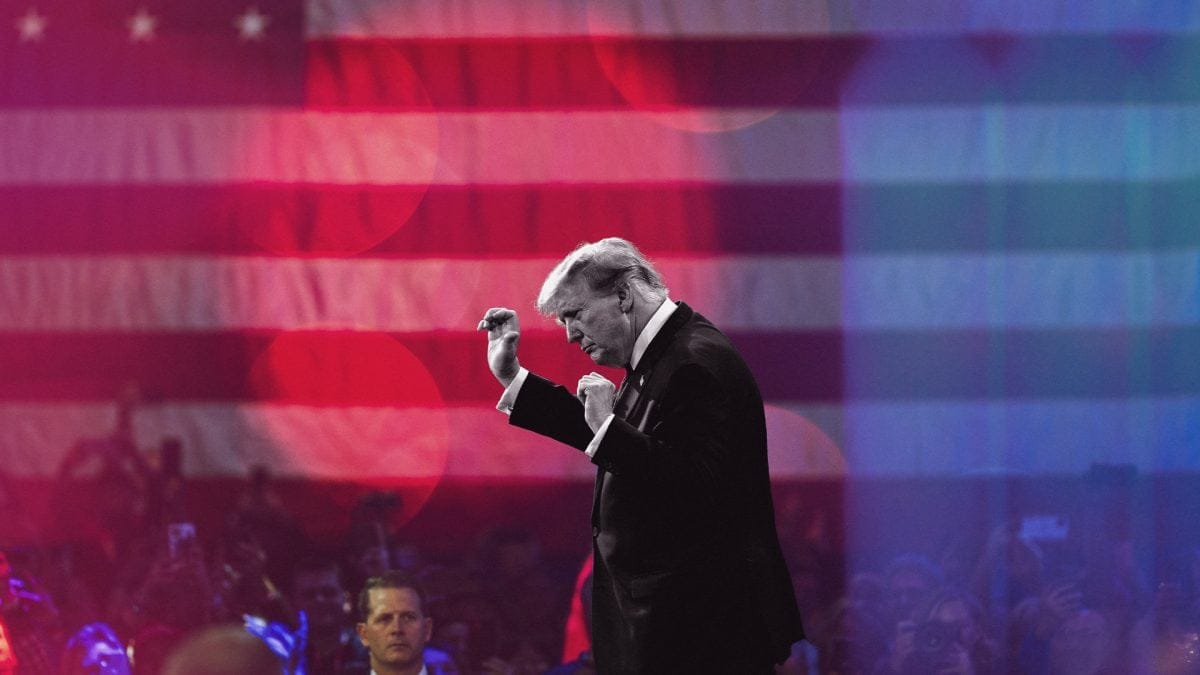
President Donald Trump hosted the federal government's first Crypto Summit at the White House in March 2025, bringing together leading digital asset executives for a policy dialogue that formalized the administration's departure from the enforcement-heavy approach that had defined U.S. crypto regulation for the previous four years.
The summit's timing was not coincidental. In the weeks preceding the event, federal regulators withdrew or paused major enforcement actions against Coinbase, Binance, Kraken, and other prominent crypto firms — signals that the administration was making good on its campaign promise to reset the relationship between Washington and the digital asset industry.
The Crypto Summit was less a policy-making session than a symbolic inflection point. By hosting industry leaders at the White House, Trump elevated crypto from a sector under regulatory siege to a constituency with direct executive access. The optics alone communicated a fundamentally different government posture: rather than treating crypto firms as presumptive bad actors requiring constant enforcement pressure, the administration was positioning itself as a partner in building U.S. digital financial infrastructure.
The simultaneous withdrawal of major SEC cases against industry leaders was the more consequential development from a regulatory standpoint. Cases that had consumed years of litigation resources — including the SEC's suit against Coinbase over alleged unregistered securities offerings — were quietly shelved or paused. The message to the market was explicit: the regulatory environment was changing faster than any formal rulemaking process could reflect.
"President Trump will host the federal government's first Crypto Summit, marking a new era for digital financial technology following years of regulatory friction."
— White House announcement ahead of the March 2025 summit
The summit occurred against the backdrop of active legislative work on two major bills: the GENIUS Act for stablecoin regulation and the CLARITY Act for broader market structure. Congressional leaders present at or briefed after the summit indicated the administration's active engagement with legislative timelines, treating the bills as priority agenda items rather than optional industry favors. For policy researchers, the summit marked the moment when the U.S. crypto regulatory environment transitioned from adversarial to collaborative — a shift with implications extending well beyond any single piece of legislation.
The summit also provided a forum for discussing the Strategic Bitcoin Reserve concept that Trump had floated during his campaign. While no formal announcement was made, the presence of Treasury and economic advisors alongside industry leaders signaled that executive branch deliberations on national digital asset strategy were advancing beyond the campaign promise stage toward actual policy assessment.
Executives who attended the summit described a format that allowed direct feedback on regulatory pain points — banking access, token classification ambiguity, and the operational costs of complying with inconsistent state and federal requirements — alongside the administration's communication of its legislative priorities and timeline. The directness of the exchange was itself notable: under the prior administration, industry leaders had often been unable to secure meetings with senior regulatory officials, forcing engagement through formal comment processes and litigation.
The political message of the Crypto Summit extended beyond its immediate participants. By hosting the event at the White House and framing it as a matter of national economic strategy rather than narrow industry accommodation, Trump positioned U.S. crypto development as comparable to semiconductor manufacturing or AI infrastructure — a sector where government support and regulatory clarity are treated as tools of industrial policy rather than special interest capitulation. This framing, regardless of how individual policy debates ultimately resolve, represents a significant shift in how digital assets are perceived within the executive branch's economic development agenda.
Keywords: Trump crypto summit, White House, SEC enforcement, crypto regulation 2025, CFTC, Coinbase, Binance
Source: legacy