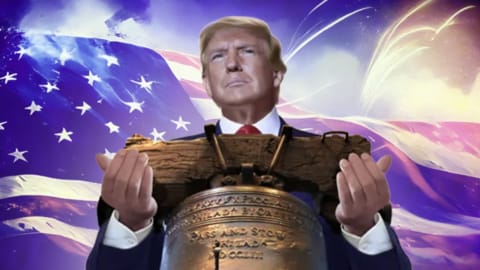
Former President Donald Trump used a break from his New York criminal trial to host a private dinner for holders of his "Mugshot Edition" NFT collection — a calculated move that deepened his engagement with the crypto community and reinforced his positioning as the pro-crypto candidate in the 2024 presidential race.
The dinner, reported by Axios and subsequently confirmed by the Trump campaign, exemplifies how crypto has evolved from a niche technological issue into a genuine political constituency. With an estimated 50 million Americans holding some form of digital assets, Trump's deliberate cultivation of crypto holders represents a significant departure from the Republican establishment's historically skeptical posture toward digital currencies.
Trump's NFT collections — launched in December 2022 and subsequently updated with the Mugshot Edition — were initially dismissed by critics as celebrity merchandise. But the political strategy embedded in them has become clearer over time: NFT holders receive exclusive access to Trump, creating a direct financial incentive for crypto-engaged voters to become invested — literally — in his political success. The dinner format transforms NFT ownership into political relationship capital.
The timing of the NFT dinner — during a criminal trial break — drew significant media coverage, but the underlying political dynamic matters more for long-term crypto policy analysis. Trump's campaign had already accepted Bitcoin donations, promised to fire SEC Chair Gary Gensler, and pledged to make the U.S. the "crypto capital of the planet." By mid-2024, his campaign had received over $100 million in crypto donations.
"Trump's crypto pivot was one of the most consequential political positioning decisions of the 2024 cycle. It created a large, financially motivated donor base with a direct policy stake in his election."
— Political analyst commentary on Trump's digital asset strategy
From a regulatory research standpoint, Trump's active engagement with crypto holders before the election was a preview of the policy agenda that followed his November 2024 victory. The combination of executive orders favorable to crypto, the replacement of SEC leadership, and legislative support for stablecoin and market structure bills all traced back to the political coalition-building that events like the NFT dinner helped construct. Understanding how crypto became a voting bloc — rather than just a technology sector — is essential context for analyzing every regulatory development that followed.
Looking back from the vantage point of Trump's November 2024 victory, the NFT dinner and related crypto outreach activities appear less like political curiosities and more like the early construction of a coalition that proved decisive. Exit polling from the 2024 election suggested that crypto ownership was a meaningful predictor of Trump support, particularly among younger male voters who had previously leaned Democratic but shifted based partly on crypto policy concerns.
The policy consequences have been direct. Within the first weeks of Trump's second administration, Gary Gensler resigned as SEC chair, Operation Chokepoint 2.0 targeting crypto banking relationships was formally ended, and executive orders created a Presidential Working Group on Digital Assets with a mandate to develop pro-crypto regulatory frameworks. The crypto voter coalition that events like the NFT dinner helped build translated directly into the most favorable U.S. crypto regulatory environment in the industry's history — a political return on investment that the industry's donors and advocates had been arguing was achievable years before the 2024 results confirmed it.
Keywords: Donald Trump, NFT, crypto politics, Trump NFT, crypto voters, 2024 election, digital assets policy
Source: legacy