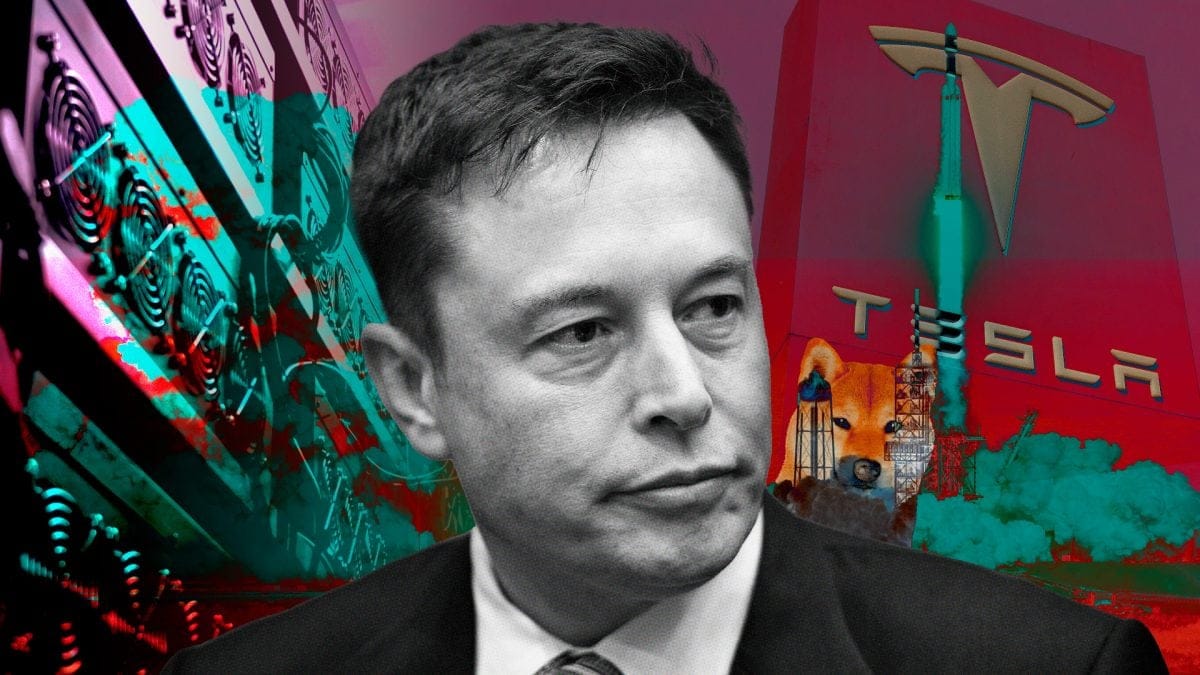
A group of Dogecoin investors voluntarily dismissed their $258 million class-action lawsuit against Elon Musk, ending a legal fight that accused the billionaire of orchestrating a pump-and-dump scheme through coordinated social media posts — a case whose resolution carries implications for how U.S. courts handle claims of crypto market manipulation by high-profile public figures.
The dismissal came amid a sharp Dogecoin price surge connected to Musk's appointment as co-head of the Department of Government Efficiency — a role that drew on the DOGE acronym and sparked speculative buying. Whether the price recovery influenced the plaintiffs' calculus is unclear, but the timing highlighted how closely Dogecoin's market value remains tied to Musk's public activities.
Filed in 2022, the class-action complaint alleged that Musk used his Twitter/X platform to artificially inflate Dogecoin's price through a series of tweets praising the meme coin, before subsequently making statements — including calling it a "hustle" on Saturday Night Live — that triggered a collapse in value. Plaintiffs argued this constituted deliberate market manipulation that benefited Musk at the expense of retail investors who bought based on his endorsements.
Courts had already shown skepticism toward the lawsuit's core theory. A federal judge in New York significantly narrowed the claims in earlier rulings, finding that many of Musk's tweets constituted protected opinion rather than actionable misrepresentation. The legal challenge for plaintiffs was establishing that Musk's statements were false statements of fact — not enthusiasm or humor — that a reasonable investor would rely upon when making trading decisions.
"Proving market manipulation through social media posts involves a much higher legal bar than most retail plaintiffs anticipate. Courts have been reluctant to treat celebrity endorsements as fraud absent clear evidence of intent and material misstatement."
— Crypto securities litigation analyst on the legal obstacles in the Musk case
The lawsuit's arc — filed amid retail outrage, partially dismissed by courts, ultimately withdrawn — reflects a recurring tension in U.S. crypto regulation: existing fraud law is difficult to apply to social media-driven market movements, particularly when the alleged manipulator holds no formal market participant role. The CFTC has jurisdiction over commodity market manipulation, and DOGE's classification as a commodity rather than a security limited the SEC's involvement. Closing these jurisdictional gaps requires legislative action — a conclusion that the crypto market manipulation debate consistently reinforces.
The timing of the lawsuit's dismissal — concurrent with Dogecoin surging on news of Musk's appointment to the Department of Government Efficiency — provided a vivid illustration of why the legal case had always been fragile. If DOGE's price can surge 20-30% simply because Musk's new government role shares the coin's acronym, it is difficult to sustain a legal theory that earlier price movements constituted deliberate manipulation rather than the unpredictable market response to a high-profile individual's comments.
The broader lesson for U.S. crypto regulation is that social media's influence on crypto markets creates regulatory challenges that existing fraud law is poorly equipped to handle. The CFTC has anti-manipulation authority over commodity markets including DOGE, but proving manipulation through social media posts — rather than through coordinated trading activity — requires establishing intent and materiality in ways that courts have so far found unpersuasive. Until Congress provides clearer statutory definitions of what constitutes manipulative conduct in crypto markets and which agency has enforcement authority, the legal framework for addressing social-media-driven market movements will remain as contested as the Dogecoin case itself.
Keywords: Dogecoin, Elon Musk, DOGE lawsuit, market manipulation, Tesla, crypto legal, meme coin
Source: legacy