House Democrats Surge in Odds as Maxine Waters Takes Aim at SEC Chair Atkins Over Crypto

House Democrats Surge in Odds as Maxine Waters Takes Aim at SEC Chair Atkins Over Crypto

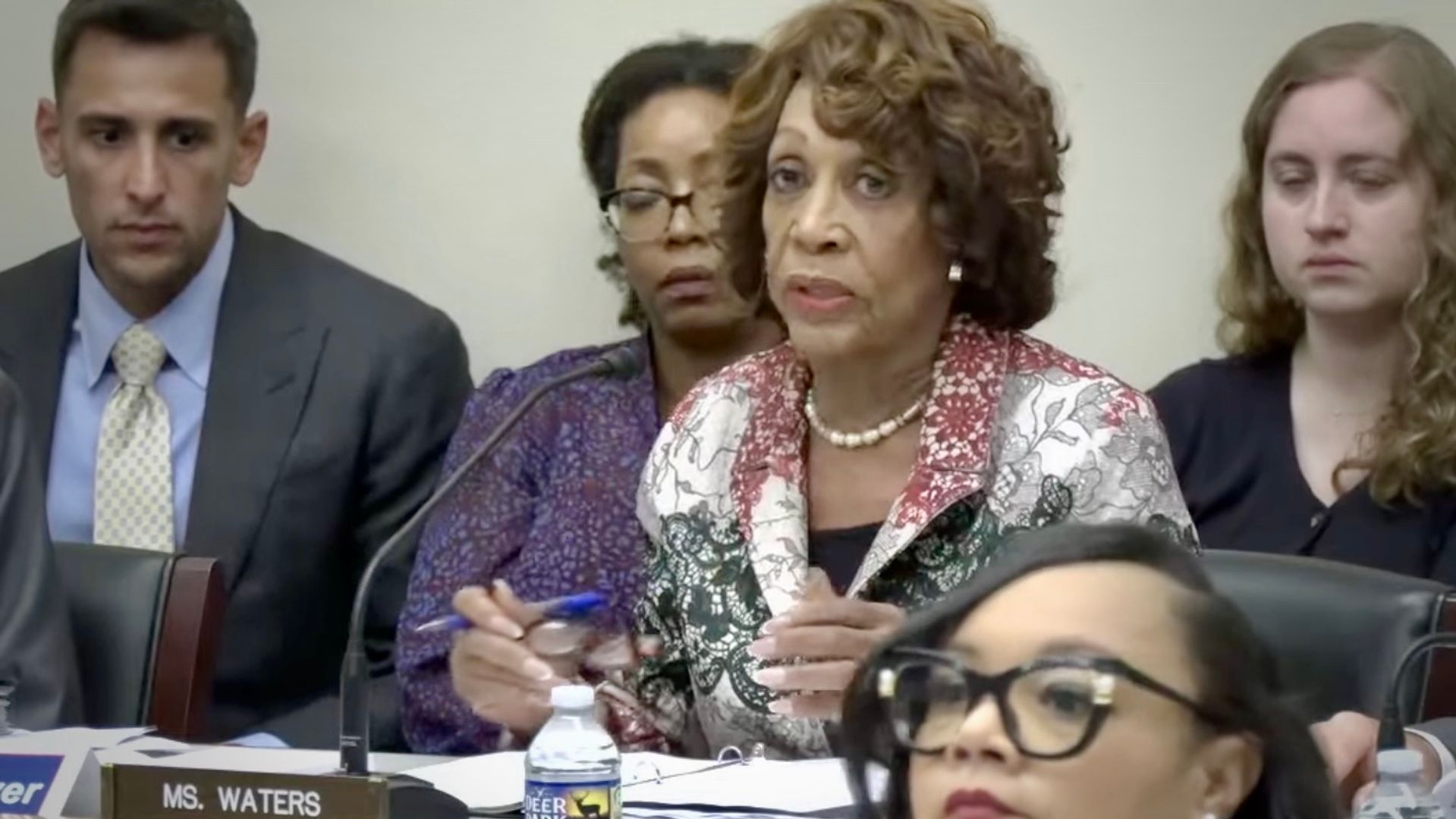
As prediction markets gave House Democrats a 75% probability of winning back the majority in 2026, Representative Maxine Waters — the top Democrat on the House Financial Services Committee — formally requested SEC Chairman Paul Atkins testify about a pattern of enforcement withdrawals that she argues have left crypto investors exposed and undermined the agency's legal obligations.

If Democrats prevail in the midterms, Waters would assume the chairmanship of the committee that oversees the SEC, transforming her requests into demands backed by subpoena power. Her early and aggressive positioning on crypto enforcement signals that a Democratic-controlled House would re-examine the Atkins-era's regulatory retreat with considerable scrutiny.

What Waters Alleges the SEC Has Done

Waters' letter to Atkins catalogued what she characterized as a systematic abandonment of enforcement responsibilities. According to the letter, the SEC terminated or stayed major cases against Coinbase, Binance, and Justin Sun's Tron ecosystem — firms she argues "had been credibly accused of major violations" of federal securities law. Particularly striking, Waters contends that some companies announced case terminations before the SEC had formally voted to close them, suggesting Atkins' office played an unusually active role in negotiating settlements outside normal commission procedures.

The Administrative Procedure Act Argument

Beyond the substantive enforcement concerns, Waters raised a procedural objection that carries significant legal weight. She argued that the SEC's approach — using staff statements and informal guidance rather than notice-and-comment rulemaking to effectively rewrite its crypto enforcement posture — violates the Administrative Procedure Act. APA violations can expose agency actions to judicial challenge, potentially unwinding the enforcement deferrals that crypto firms have relied upon to launch new products.

"The Commission's approach flouts its legal obligations under the Administrative Procedure Act by using staff statements rather than formal rules, limiting public comment opportunities and concealing the influences on policy decisions."

— Representative Maxine Waters, letter to SEC Chairman Paul Atkins

Implications for Crypto Regulatory Stability

For U.S. crypto investors and policy researchers, Waters' intervention highlights a fundamental risk in the current regulatory environment: the Atkins-era's crypto-friendly posture rests largely on executive branch discretion rather than durable statutory changes. If Democrats retake the House and use oversight power aggressively, or if APA challenges succeed in court, several of the enforcement deferrals currently protecting crypto firms could be reversed. The GENIUS Act's passage provides some statutory foundation, but the broader market structure landscape remains vulnerable to political and legal reversal in ways that legislation would prevent.

The Long Game: How Democratic Oversight Could Reshape Crypto Policy

If Democrats win the House in 2026 as prediction markets suggest, the practical consequences for crypto regulation would be significant but not immediately catastrophic. Executive branch crypto policy — including the SEC's enforcement posture — would remain under Trump administration control through January 2029. But congressional oversight powers would enable Democratic committee chairs to demand testimony, issue subpoenas for documents, and hold hearings that create political pressure on the administration's regulatory approach. Waters has explicitly signaled she would exercise that authority aggressively if given the opportunity.

The more durable risk for the crypto industry is legislative: a Democratic House that views the Atkins-era SEC as having systematically failed retail investors is unlikely to be a cooperative partner for passing the CLARITY Act or other market structure legislation. The same political window that makes 2026 an urgent moment for comprehensive crypto legislation also contains the expiration mechanism — if Democrats flip the House before CLARITY passes, the probability of comprehensive market structure reform drops significantly, pushing the timeline toward the next congressional cycle under different political conditions. Waters' early and aggressive positioning is as much a legislative threat as an oversight action.

Keywords: Maxine Waters, SEC, Paul Atkins, crypto enforcement, House Financial Services, Democrat crypto policy, SEC accountability

Source: CoinDesk